Research

Technology/Patent Certificates

Research and development of environmental technology Rich field experience and
advanced technical manpower

HOME TOP

Technology/Patent Certificates

Precious environment Our hands

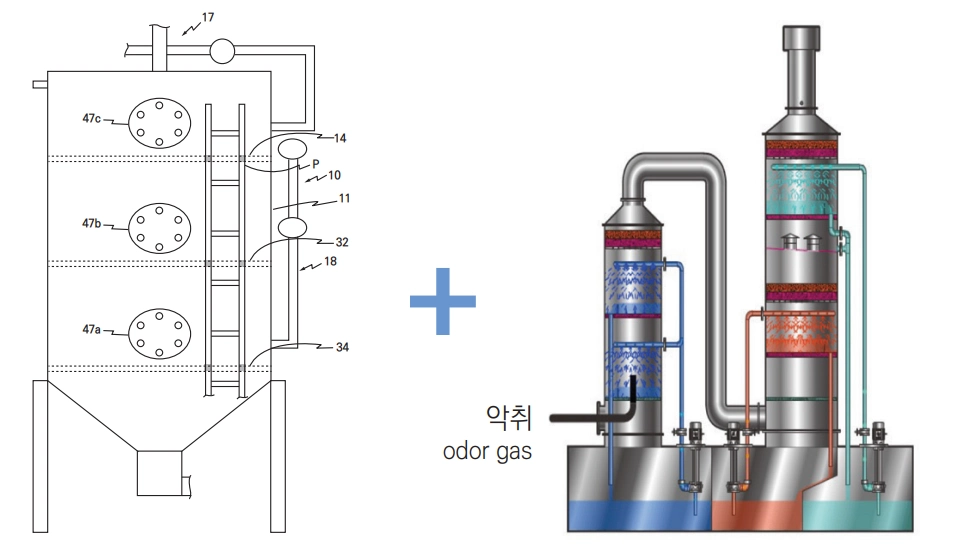
Ozone Treatment System for High-Concentration Complex Odor

A complex deodorization technology that treats organic and inorganic odor substances and VOC substances with a high-concentration complex odor treatment system that combines ozone oxidation processes and acid/base chemical solution processes
Effects

  • High processing efficiency through a hybrid process that complements the weaknesses of the single process
  • Capable of responding to changes in pollutant load and gas temperature changes in winter and summer
  • Dramatically improved deodorization efficiency by changing the ozone concentration in the front end and removing residual odorous substances in the back end process
  • No secondary pollutants
  • Easy maintenance due to automated processing

Technology principle

< Optimal combination process of ozone oxidation and wet chemical scrubbing (acid/alkaline) >

Intellectual property rights

  • Developed as a result of the 2020 South Korean Ministry of Environment's International Joint Local Business Promotion Project
  • Project: A demonstration study on the improvement of the high concentration complex odor treatment in Rizhao odor emission facility in China
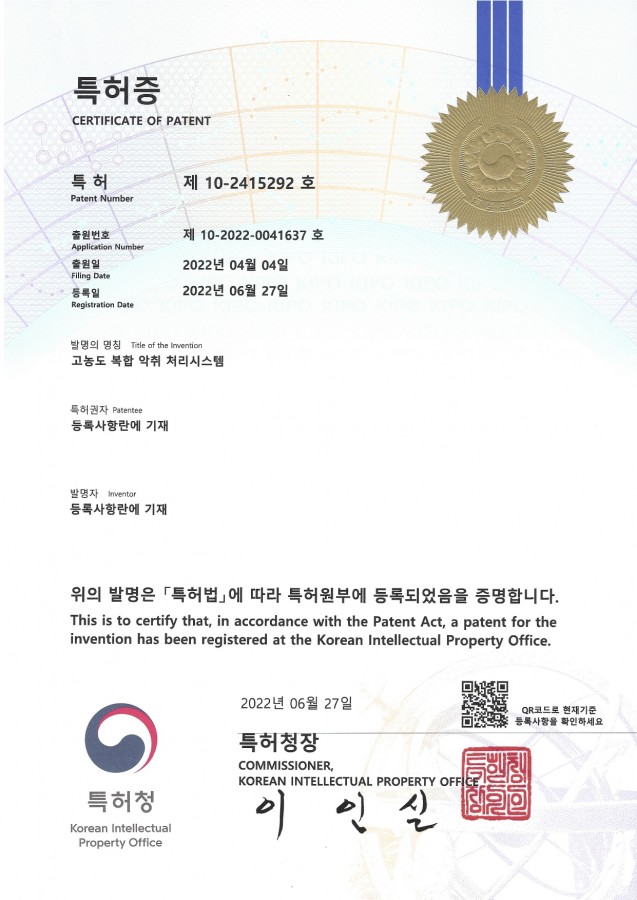
  • Patent: High-conentration complex odor treatment system Registration No.: 10-2415292

※ Drag left or right to view the entire table.

In(㎎/㎥) Out(㎎/㎥) Removal(%)
Ammonia (NH3) 53.48 0.01 99.98
Hydrogen sulfide (H2S) 4.5 0.1 99.78
Methyl Mercaptan (CH3SH) 0.36 〈 0.1 97.24

Technical features(Technical Advantages)

  • Configured in various ways depending on the type of raw water
  • Constant water treatment quantity and water quality, regardless of raw water quality
  • Widely applicable by separating only specific substances by particle size and chemical affinity based on the physical and chemical functions of the membrane material
  • Easy maintenance and simple capacity expansion through automation and unmanned operation
Items CS-FLO ® SYSTEM
Required site Reducing the required site due to no need for sedimentation tank because of compact system configuration that filters through 2㎛ separation membrane
Amount of chemicals used and sludge generation Membrane technology that requires no polymer as well as minimizes the amount of coagulant Significant reduction in sludge generation by polymer-free coagulation process Reducing costs by polymer-free coagulation process

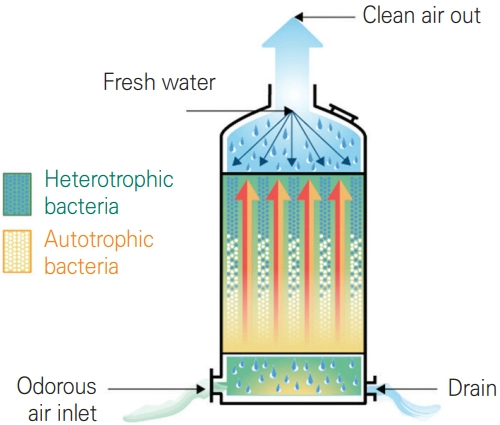
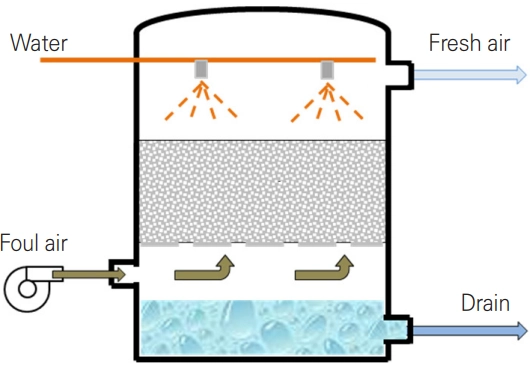
Odor Removal Technology Using Bio Filters

An effective, low-cost, environmentally friendly treatment method for high and low concentrations of gaseous exhaust pollutants released into the atmosphere

Effects

  • No fuel required like incineration
  • No need to add chemicals
  • Low cost
  • Safe handling process
  • Self-growth of microbial enzymes
  • No harmful gases generated

Technical principle

Biofilters(BF)
Biotrickling Filter(BTF)

※ Drag left or right to view the entire table.

Parameters(ppmV) BIOREM Media(%) Other Media(%) Organic Media(%)
HydrogenSulfideAcid (H2S) 99.0 〉98 90.0
Hydrogen sulfide (H2S) 4.5 0.1 99.78
MethylMercaptans (MM) 99.7 〉95 99.7
DimethylDisulfide (DMDS) 97.1 〉95 0

Technical features(Technical Advantages)

  • A full range of engineered media for a variety of applications
  • Semi-permanent media life with a track record of long-term operation performance
  • Operated for over 20 years without media decomposition and performance deterioration
  • Reduced energy consumption and low maintenance costs due to low back pressure

※ Drag left or right to view the entire table.

Items Typical Biofilter Our technology
Required site Large installation space Customizable
Energy consumption Excessive energy consumption Low energy consumption
Media status Media fluctuations and odor emission No change in media shape
Performance over time Performance degradation over time Permanent performance
Maintenance cost High maintenance cost Low maintenance cost

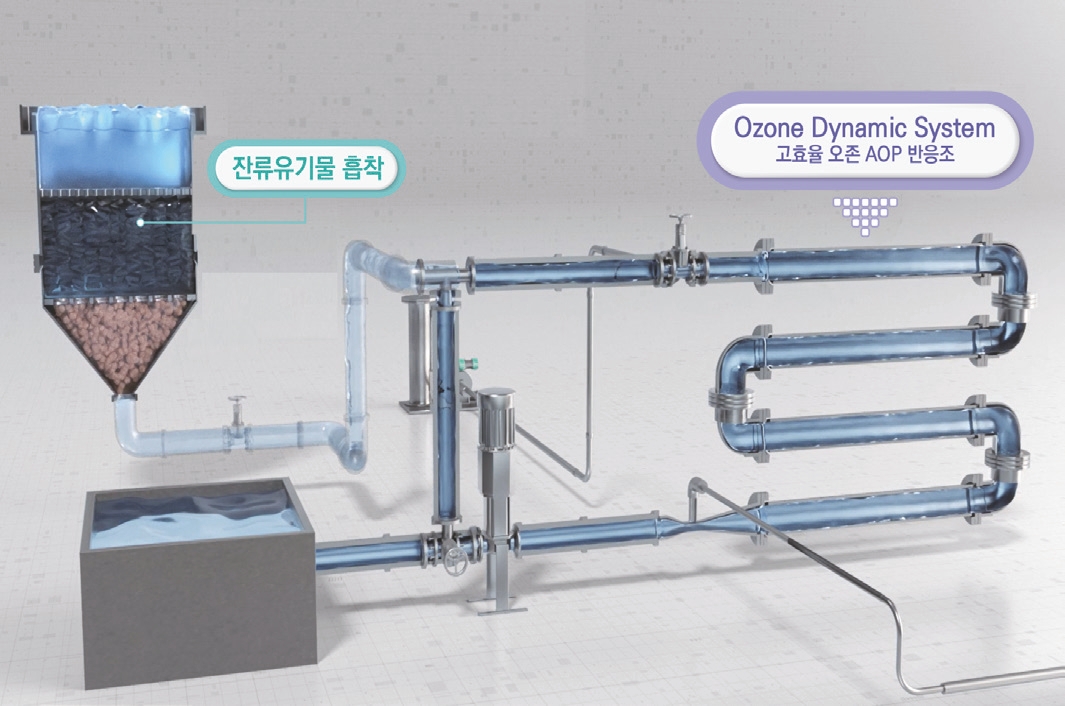
Ozone Treatment System for TOC Reduction

  • Starting in 2022, the standard for organic material management indicators for all wastewater treatment/discharge facilities changed from COD (chemical oxidation demand) to TOC (total organic carbon).
  • The ozone treatment process, which was applied as a side stream when necessary (for disinfection and pigment removal), has recently been designed as a full stream for wastewater treatment plants that require high-concentration ozone injection because TOC removal is required. In particular, high-concentration ozone is actively applied to treat high-concentration industrial wastewater.

Technical principle

Technical overview diagram

Water Technology Performance Verification (No. 2023-1, 2023)

  • Verification agency: Korea Institute for Water Technology Certification; water technology performance verification certificate acquired from the National Water Industry Cluster
  • Joint technology holding companiesw: CHEONGSU Co., Ltd., Envi-Insight Co., Ltd.

※ Drag left or right to view the entire table.

Items Unit Verification results (target value) Unit verification results (target values)
2ppm 4ppm 6ppm 8ppm 10ppm
Ozone dissolution efficiency % 99.94 (97.3) 99.95 (94.2) 99.93 (90.7) 99.18 (88.1) 94.13 (85.3)

Intellectual property rights

  • Water treatment apparatus for advanced oxidation of including high efficiency plug-flow type ozone dissolving vessel Registration No.: 10-2293552
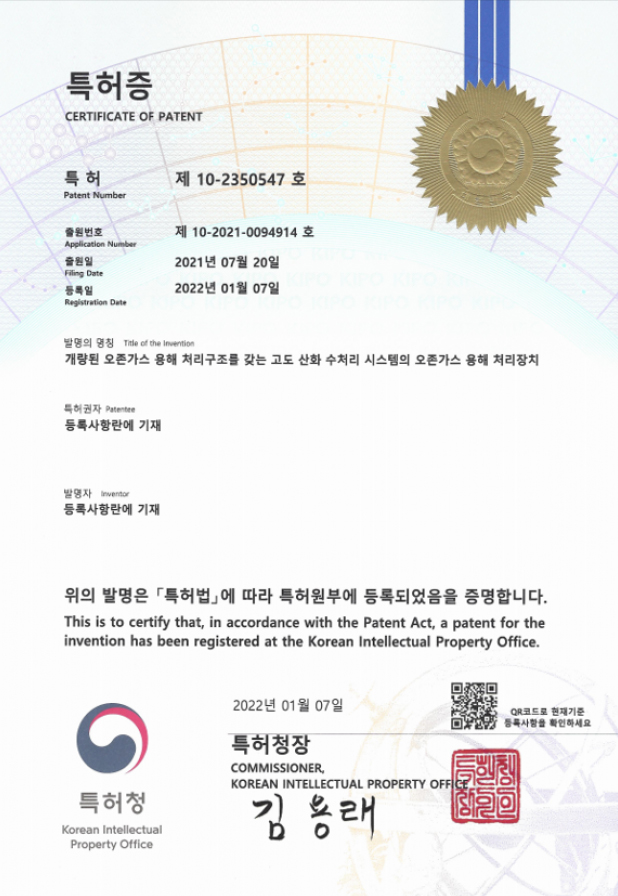
  • Apparatus for dissolving ozone gas in advanced oxidized water treatment system with improved ozone gas dissolving treatment structure Registration No.: 10-2350547

Intellectual property rights

  • 3.9 times faster reaction speed than existing CSTR ozone dissolving due to plug-flow ozone dissolution and treatment reactor
  • Increased ozone dissolution rate by forming fine bubbles, vortices, and turbulence through pressure changes (Dynamic Zone)
  • Increased ozone dissolution rate due to increased residence time of ozone gas in the reaction tank due to the retention of unreacted ozone gas in the ozone gas holding section (Dynamic Zone)
  • Increased processing efficiency through complete melting of unreacted ozone gas in continuous melting furnace through repetitive pressure change section
  • High-efficiency ozone treatment system for TOC treatment of wastewater from various industries
  • Increased ozone treatment efficiency by 30% compared to existing pressurized injection → Reduced ozone injection volume and energy

High-Efficiency Energy Saving Aerator (ESA)

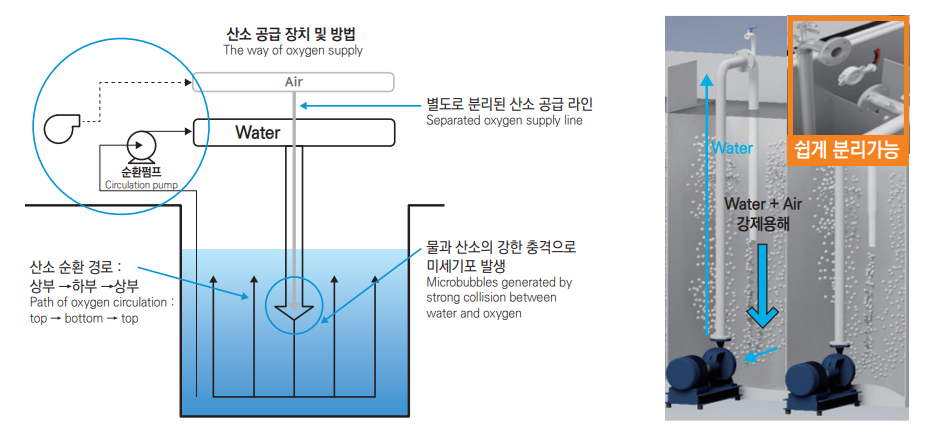
Developed to improve various shortcomings of existing diffusers and increase efficiency. It has a high oxygen transfer rate by generating finer microbubbles and is intended to create a strong impact between wastewater and oxygen by generating microbubbles and forcibly dissolving oxygen.

Technical principle

High-Efficiency Diffusers

  • Forcing dissolution of oxygen due to microbubbles generated from the strong crashes between wastewater and oxygen owing to vortex type circulation method of High-Efficiency Diffusers in reactor in contrast to a single vertical direction (from bottom to top) type circulation method of current diffuser in reactor → Increased oxygen transfer efficiency, reduced land requirements, and energy savings
  • Safe installation and maintenance as the diffuser is located at the top of the aeration tank

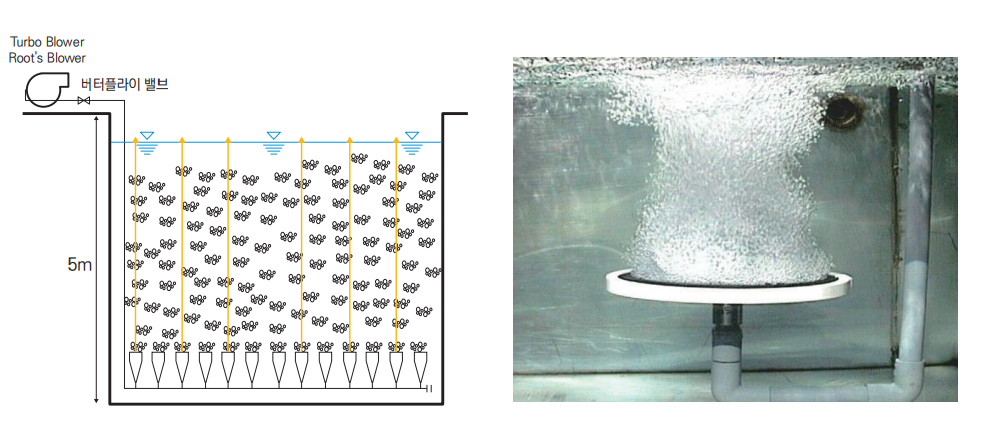
Current diffusers

  • Excessive energy consumption: the deeper the aeration tank, the higher the energy consumption
  • Low oxygen transfer efficiency, high consumption of diffuser, difficult to replace as it is located at the bottom of the aeration tank, short contact time, and low oxygen transfer efficiency due to natural oxygen transfer method

Intellectual property rights

  • Technology holding company: AQUAWORKS Co., Ltd.
  • Technology partnership company: Cheongsu Co., Ltd.
  • NET (New Excellent Technology) (No.1414) : High efficiency energy saving aerator technology utilizing waterjet principle
  • Patent: Air Dispersion Apparatus Using Water Jet Registration No.: 10-2063317

Technical features(Technical Advantages)

※ Drag left or right to view the entire table.

Items Membrane diffusers ESA Advantages over current technology
Oxygen transfer efficiency [%] 15 ~ 20 65.6 Efficiency more than 3 times higher than current technology
Required site Approximately 30% of the total facility site Reducing more than 50% of the required site compared to membrane diffusers -
Bubble size[mm] 1.5 ~ 7.5 2 Perfectly spherical uniform microbubbles
Floating speed[m/s] 0.210 ~ 0.340 0.134 ~ 0.184 Possibility to more than twice contact time between air and water
  • Low energy consumption due to oxygen transfer efficiency and wastewater treatment efficiency more than twice that of existing membrane diffusers
  • High-efficiency diffusers can be applied to bioreactors in all basic wastewater treatment facilities, including all biological treatment facilities that require oxygen supply, without any system changes.
  • Unlike existing diffusers, the high-efficiency diffuser does not require emptying the water in the aeration tank when installed (no operation interruption with a semi-permanent lifespan; likely to reduce maintenance costs).
  • Capable of increasing the wastewater treatment efficiency by simply installing a high-efficiency diffuser without adding an aeration tank to the existing process, where the efficiency of Inae삭제 wastewater treatment has deteriorated due to high volume load and increase in inflow wastewater
  • Capable of building a system by improving only the aeration tank while maintaining other processes
  • Capable of designing and constructing the entire process, including treatment of high-concentration organic wastewater, high-concentration nitrogen wastewater, and non-degradable wastewater

Leachate Treatment System for Waste Landfill

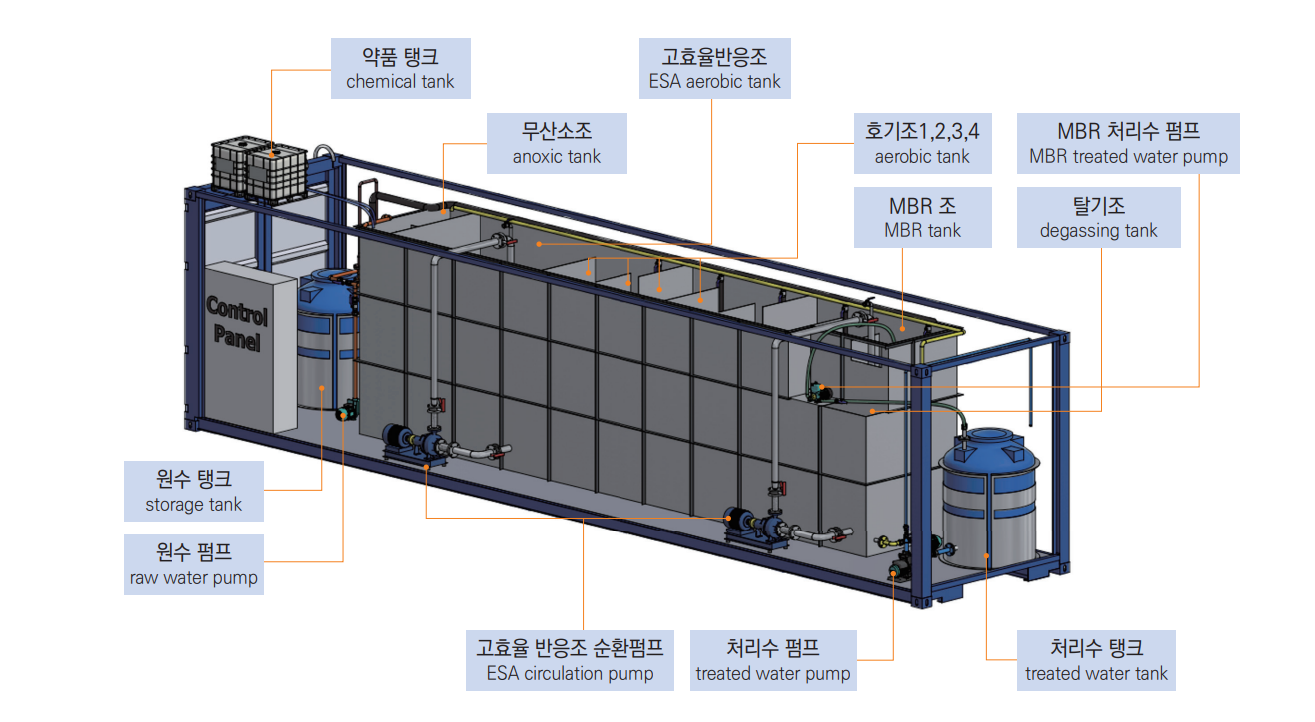
Biological leachate treatment process for landfills with high-efficiency diffuser and MBR

Technology concept diagram

3D Layout for Leachate Treatment Plant Pilot

Intellectual property rights

  • Developed by the customized package rapid support project for the 2021 Daegu City Star Company Promotion Project

Patents

  • Leachate treatment system for waste landfill Registration No. 10-1678202
  • Biofilm reactor type sewage·wastewater treatment system having improved aeration structure Registration No. 10-2336842 Technology holding company: AQUAWORKS Co., Ltd. Technology partnership company: Cheongsu Co., Ltd.
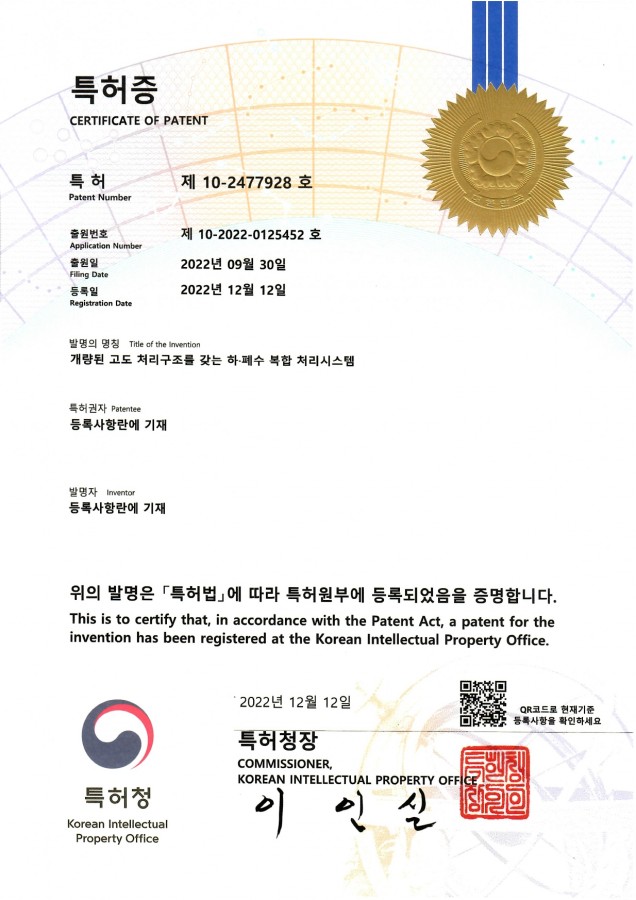
  • Sewage and wastewater complex treatment system with improved advanced treatment structure Registration No. 10-2477928호 Joint technology holding companies: Cheongsu Co., Ltd., Envy-Insight Co., Ltd.

Technical features(Technical Advantages)

  • The MBR System incorporating a high-efficiency diffuser boosts wastewater treatment efficiency and lowers energy consumption by addressing the disadvantage of low oxygen transfer rate in existing processes, reducing operating costs, and generating oxygen transfer efficiency two-fold higher than membrane diffusers.
  • The combination of a high-efficiency diffuser and MBR improves economic efficiency by significantly increasing the activated sludge retention time (SRT), inducing sludge assetization, and reducing surplus sludge and final sludge treatment costs.
  • Capable of processing non-degradable substances based on high oxygen transfer rate and maintaining high concentration of MLSS

Design and Construction of High-efficiency Sedimentation Tanks

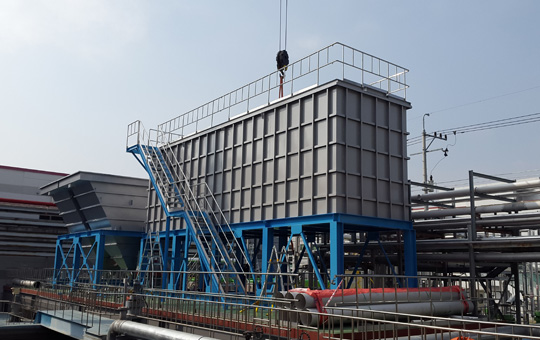
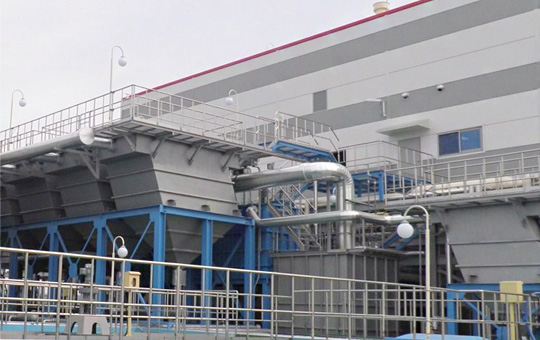
This high-speed sedimentation tank increases the sedimentation speed by reducing the sedimentation depth with several inclined plates inside the tank. The depth is shortened by installing several rectangular inclined plates with treated water discharge pipes installed at the top in close contact with the inside of the sedimentation tank. Each inclined plate forms an independent space isolated from the outside and enables easy maintenance without additional auxiliary equipment.

Effects

  • Improved sedimentation tank performance
  • Lower operating and installation costs
  • Easy to maintain
  • Installable in narrow spaces

※ Drag left or right to view the entire table.

Items Unit High-efficient sedimentation rate General sedimentation rate
Standard surface area load ㎥/㎡.d 90 ~ 120 12 ~ 30
Retention time hr 0.8 ~ 1.0 3.0 ~ 4.0
SS removal rate % 98.5↑ 75 ~ 90
Effluent SS concentration ㎎/ℓ 10 ~ 25 70 ~ 150

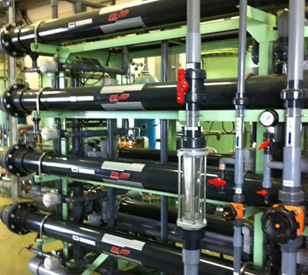
CS-FLO SYSTEM: Membrane Separation Process for Heavy Metal Treatment

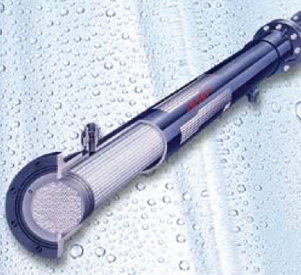
  • A membrane separation system for heavy metal wastewater treatment with an MF (microfiltration) filtration system developed through a technical partnership with Nihon Filter, Japan
  • Uses an MF separation membrane optimized for the separation and concentration of heavy metal wastewater with a tubular membrane and structure suitable for heavy metal wastewater treatment, unlike existing separation membranes
  • The CS-FLO System, completed by combining many years of experience and expertise in heavy metal wastewater treatment and a membrane optimized for heavy metal wastewater treatment, ensures perfect treatment performance.
  • Significantly reduced installation site compared to existing waste water treatment facilities(coagulation-sedimentation)(existing facilities can be reused)

※ Drag left or right to view the entire table.

Models MFCW-2 MFCW-3 MFCW-4 MFCW-6 MFCW-8 MFCW-8H
Amount of water treated 2,500L/h 5,000L/h 5,000L/h 10,000L/h 10,000L/h 20,000L/h
Number of MF modules 2 3 4 6 8 8

※ The amount of treated water may vary depending on the composition of the raw water.

Patents

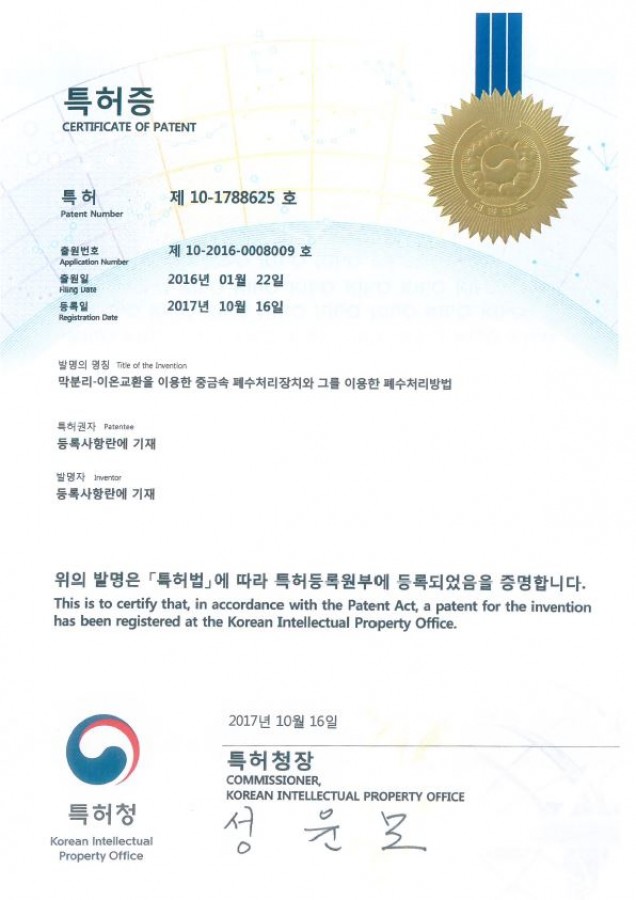
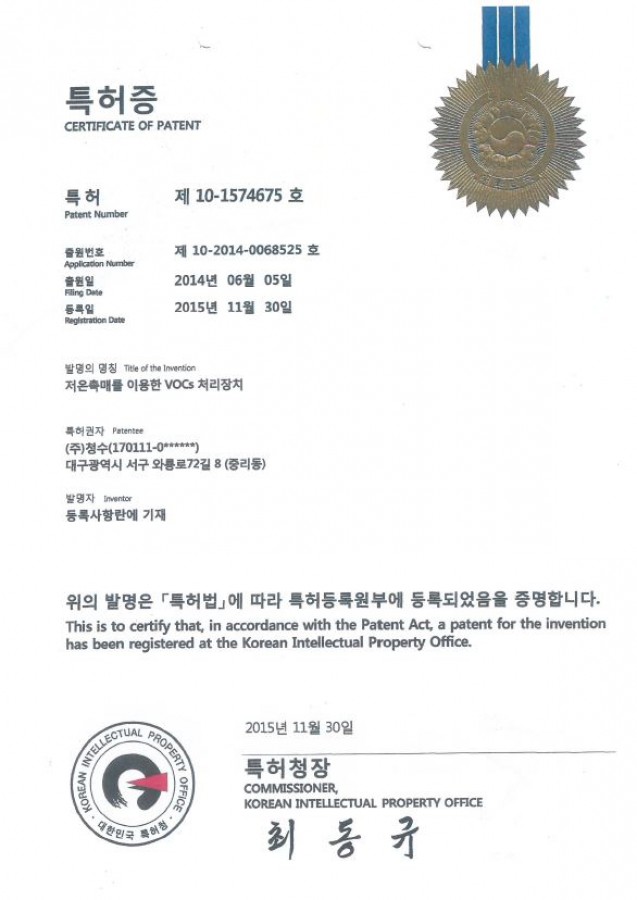
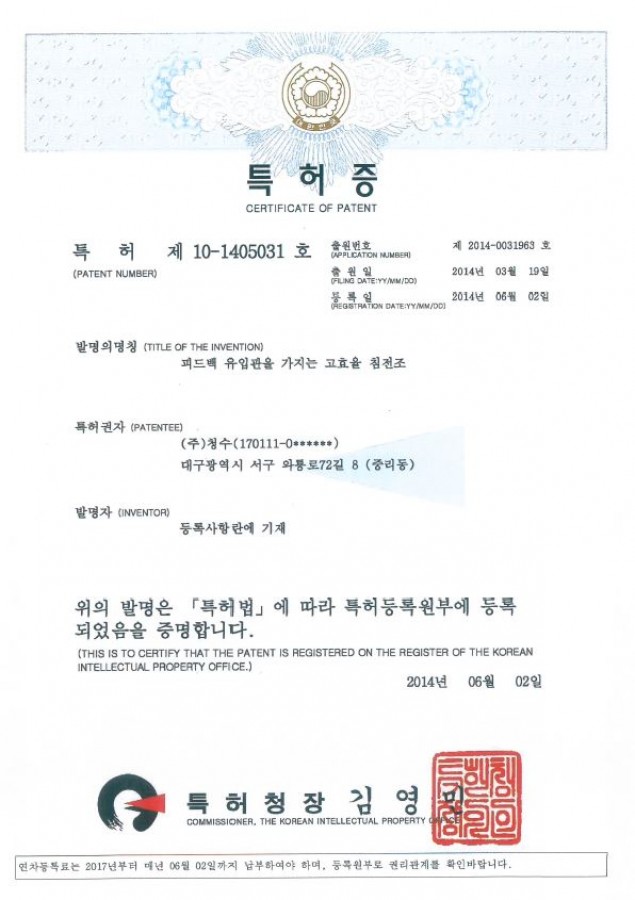
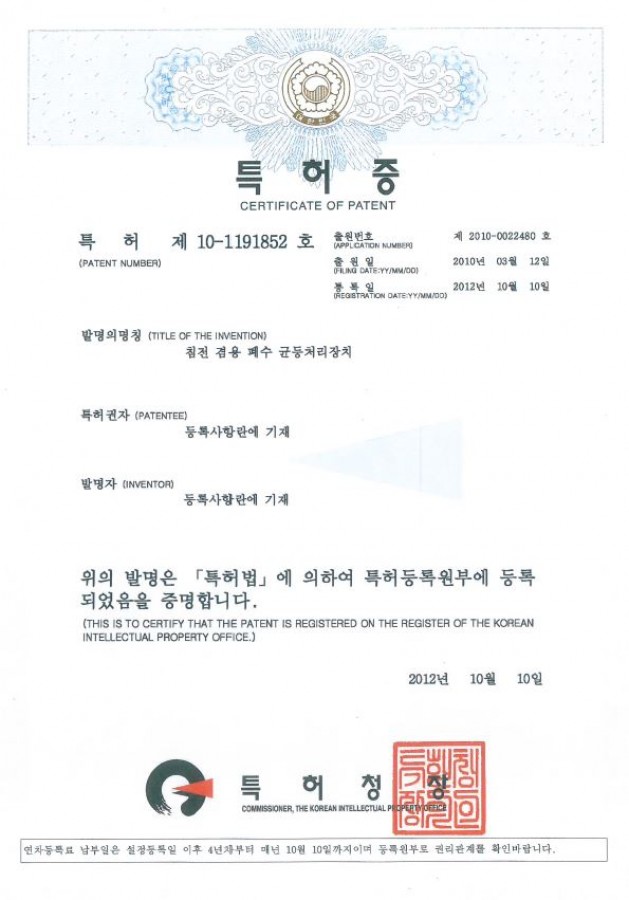
※ Touch the registration/certificate photo to enlarge and download it.

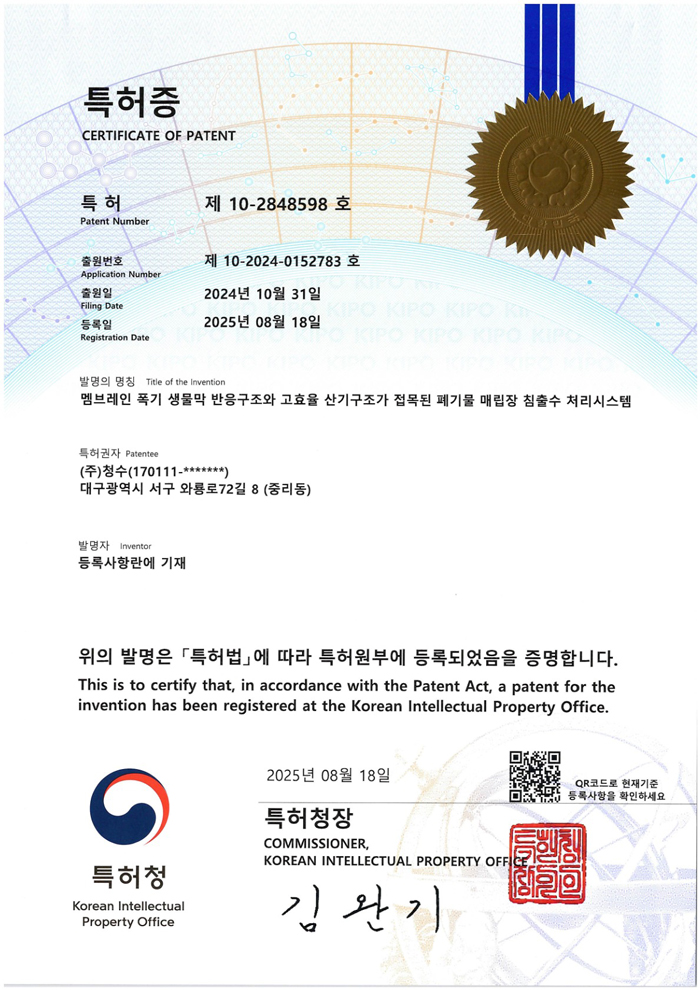
  • Waste landfill leachate treatment system incorporating membrane aeration biofilm reaction structure and high efficiency oxygen structure

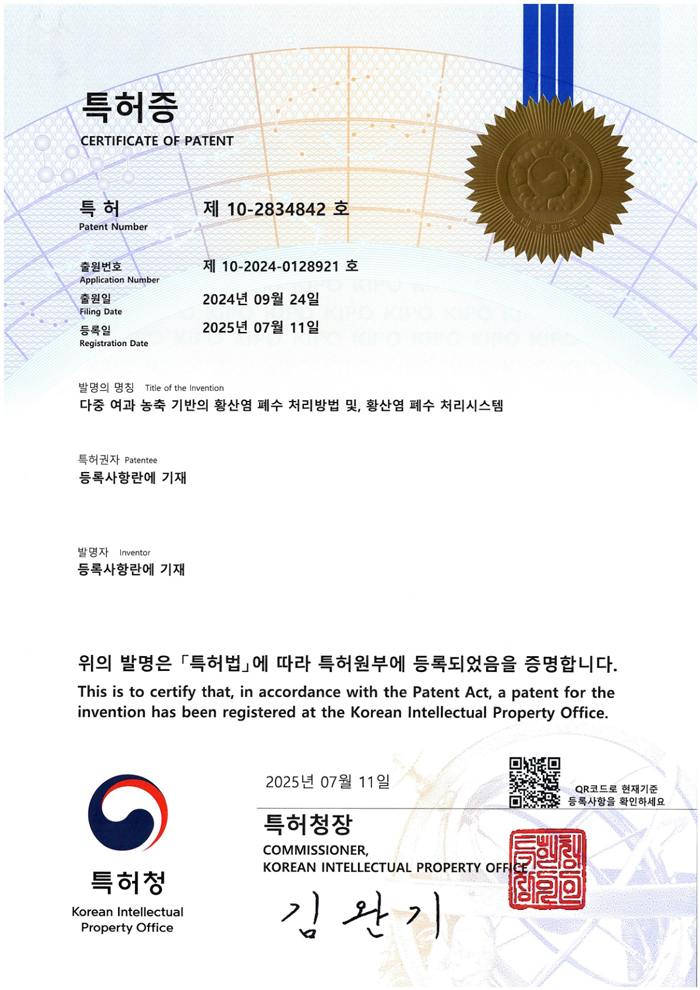
  • Sulphate wastewater treatment method and sulphate wastewater treatment system based

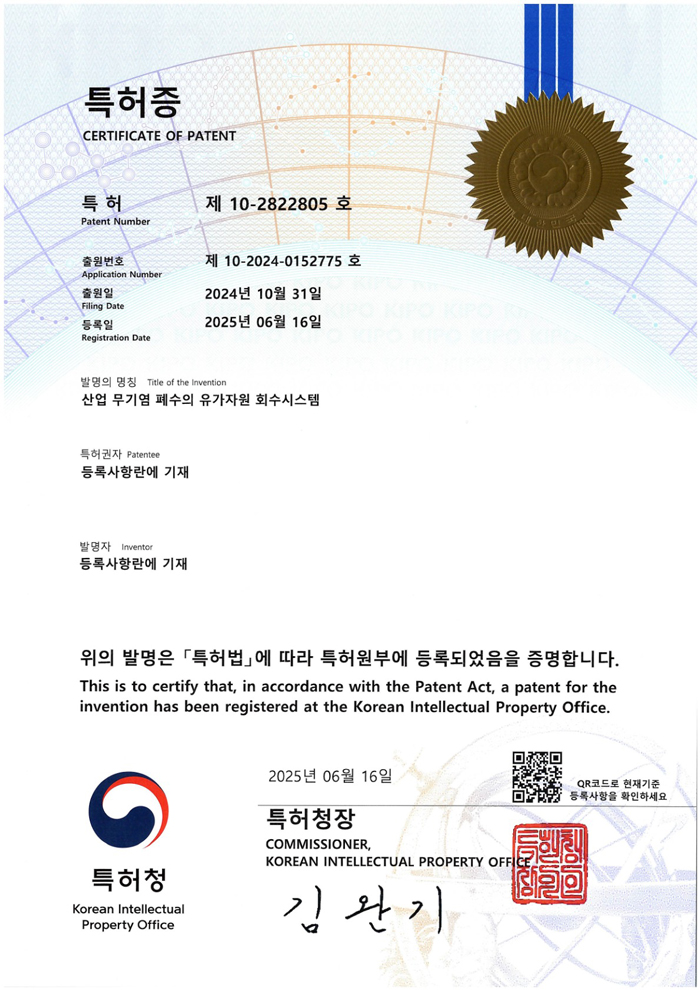
  • Valuable resources recovery system for industrial inorganic salt wastewater

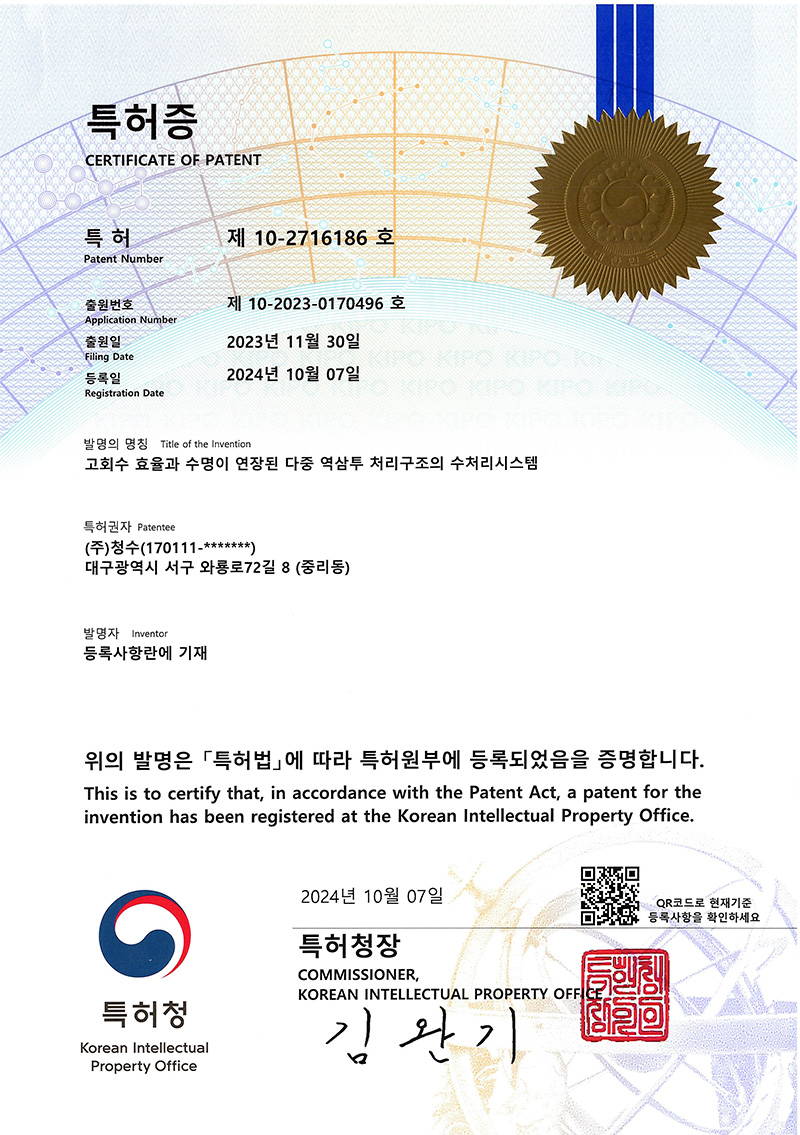
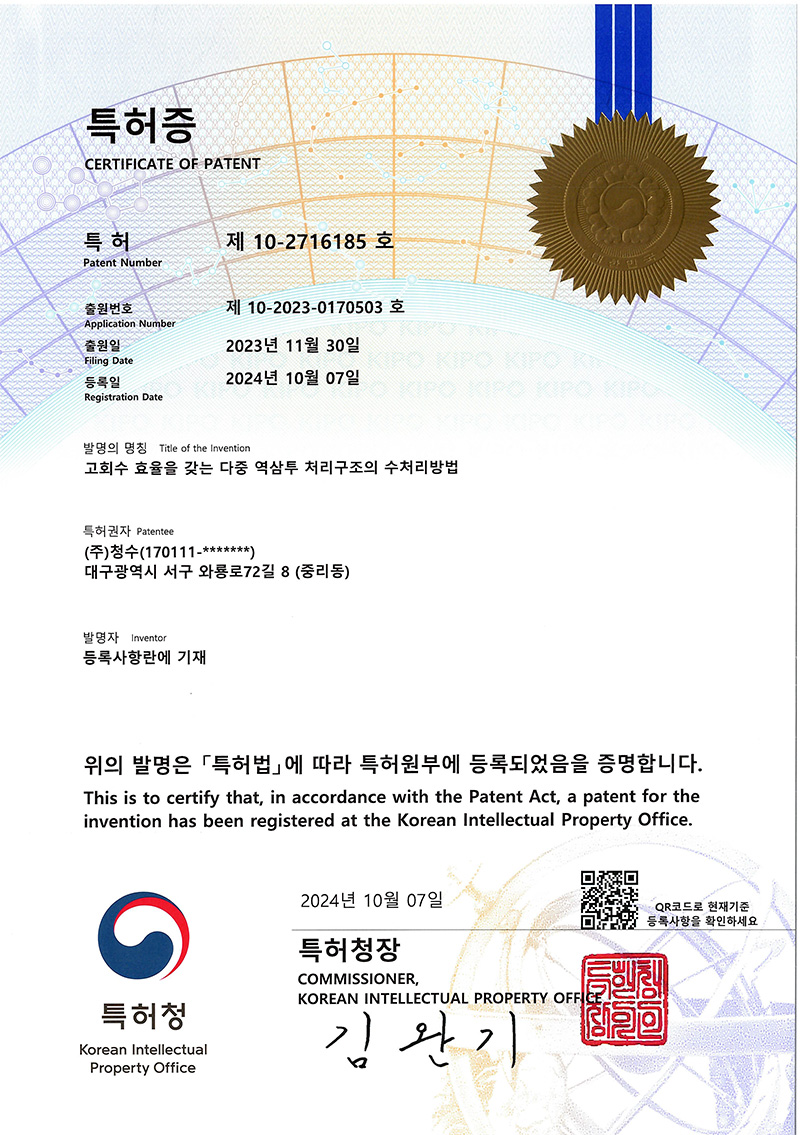
  • Water treatment system with multiple reverse osmosis treatment structures with high recovery efficiency

  • Water treatment system with multiple reverse osmosis treatment structures with high recovery efficiency and extended lifespan

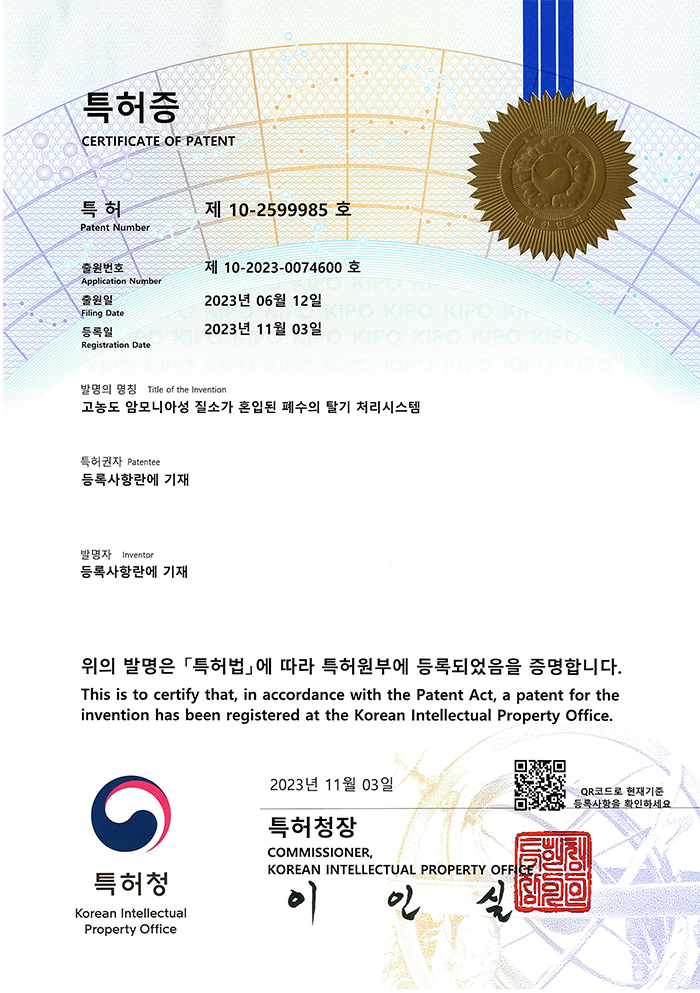
  • Deaerating system of wastewater mixed with high concentration ammonia nitrogen

  • Sewage and wastewater complex treatment system with improved advanced treatment structure

  • High-conentration complex odor treatment system

  • Apparatus for dissolving ozone gas in advanced oxidized water treatment system with improved ozone gas dissolving treatment structure

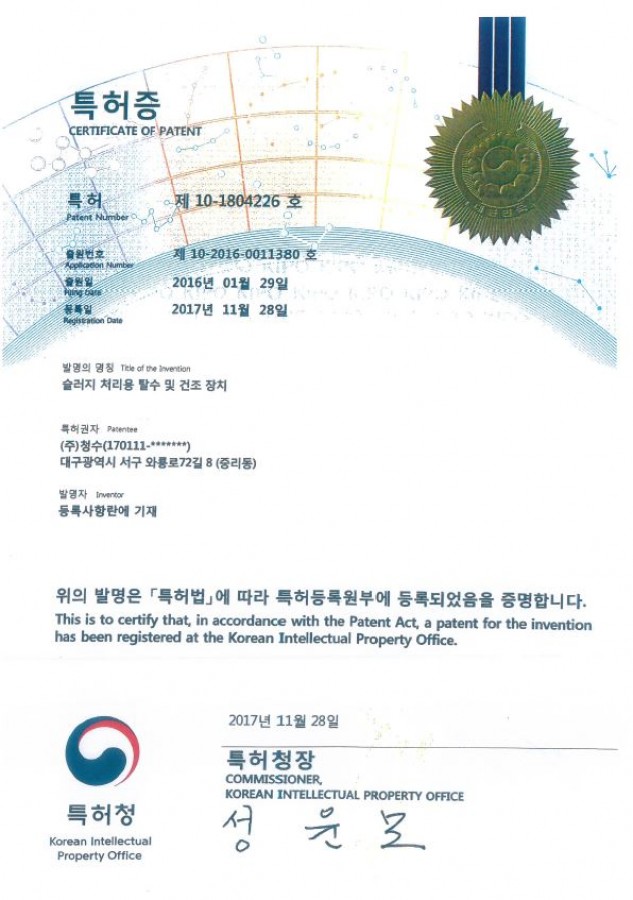
  • DEHYDRATION DRY EQUIPMENT FOR SLUDGE HANDLING

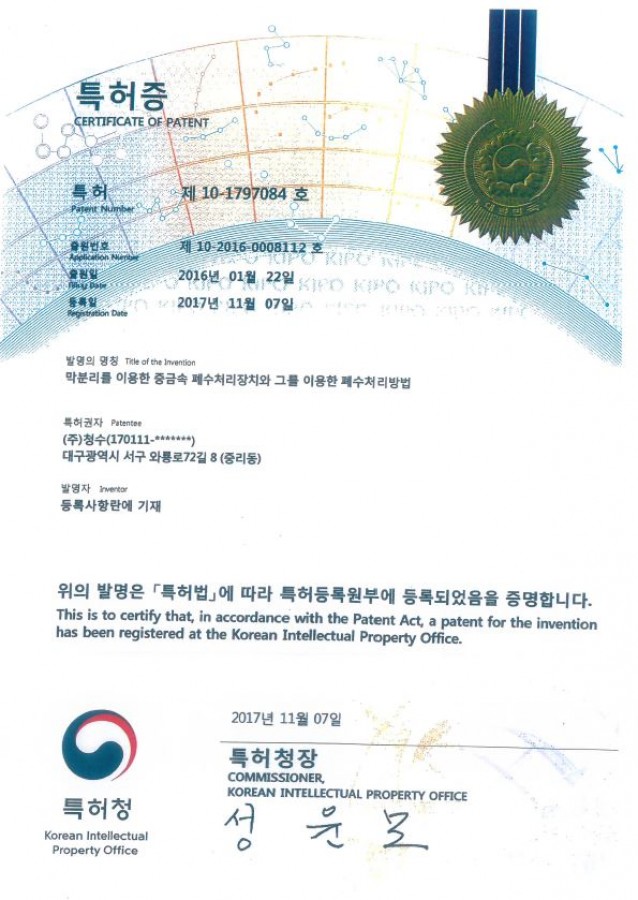
  • Apparatus and method for treating wastewater containing heavy-metal using membrane technologies

  • Apparatus and method for treating wastewater containing heavy-metal using membrane and ion-exchange technologies

  • VOCs-treating apparatus using low temperature catalyst

  • High Efficiency Settling Tank Having Feedback Inlet Tube

  • Wastewater treatment system using equalization bath combined with sedimentation

본 사이트는
보안이 취약한 Internet Explorer 9 이하 버전을
지원하지 않습니다.

Internet Explorer 10 이상으로 업데이트 하거나
크롬, 파이어폭스 최신 브라우저를 이용해 주십시오.
불편을 드려 죄송합니다.

Internet Explorer Update